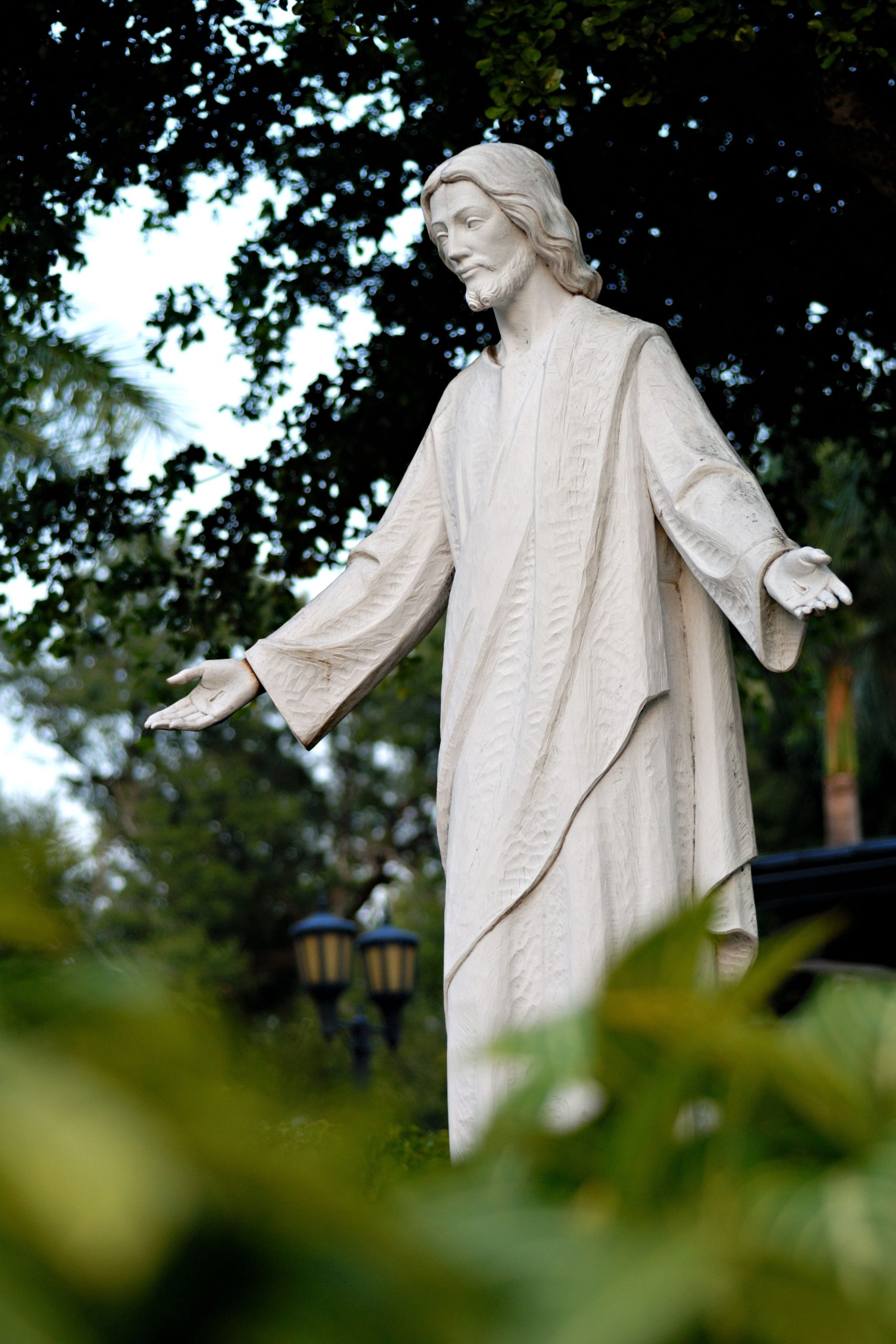
Nothing can separate us from the love of God

31 What, then, shall we say in response to these things? If God is for us, who can be against us? 32 He who did not spare his own Son, but gave him up for us all—how will he not also, along with him, graciously give us all things? (Romans 8:31-32)
I don’t know what suffering you may be experiencing in your life now, but I do know that suffering impacts us emotionally, physically and spiritually. We may wonder about God’s presence, about his care in our time of need, or about what the future will look like.
In his letter to Christians in Rome, the Apostle Paul addresses the matter of ‘our present sufferings,’ as he calls them. First, he reassures us that, ‘our present sufferings are not worth comparing with the glory that will be revealed in us’ (Rom 8:18). There is hope of glory and an ultimate end to human suffering for those who put our trust in the death and resurrection of Jesus.
Yet he also reminds us that there is a hope that comes to us and remains with us even as we endure ‘our present sufferings’. Paul asks a question: What, then, shall we say in response to these things? He then answers his own question, saying, “If God is for us, who can be against us? He who did not spare his own Son, but gave him up for us all—how will he not also, along with him, graciously give us all things?”
What the Apostle wants us to hear is this: If God has shown he is ‘for us’ – and not ‘against us’ – by going to the lengths of giving his own Son to die for us, why would he abandon us or ignore us in our time of need? Why would he not ‘graciously give us all [the] things’ we need to bring us comfort, strength, and hope in our present need?
If God’s own Son shared our humanity and owned our suffering as his own – even to death on a cross – why would he not understand perfectly what we are going through?
If God’s own Son accepted our guilt and carried our sin as his very own, why would God not continue to offer us his gracious word of forgiveness, even as we struggle with guilt?
If ‘God did not spare his own Son, but gave him up for us all’, why should we ever need to wonder whether he will hear our prayers, or care about us now or in the future? Why would he not do everything in his power to keep us, protect us, and give us everything we need, until we are with him forever?
To reinforce this assurance, St Paul asks another question: Who shall separate us from the love of Christ? Shall trouble or hardship or persecution or famine or nakedness or danger or sword?
He again answers his own question: No, in all these things we are more than conquerors through him who loved us. For I am convinced that neither death nor life, neither angels nor demons, neither the present nor the future, nor any powers, neither height nor depth, nor anything else in all creation, will be able to separate us from the love of God that is in Christ Jesus our Lord.
When it seems that we have little else to give us comfort, strength, and hope, we may cling to the promise: If God is for us, who can be against us? He who did not spare his own Son, but gave him up for us all—how will he not also, along with him, graciously give us all things?
There is nothing – not even ‘our present sufferings’ – that ‘will be able to separate us from the love of God that is in Christ Jesus our Lord’.