Friends in High Places

Some years ago, “The Lutheran” magazine ran an article entitled, “A Friend in High Places.” It explored the eagerness of some politicians at the time to seek the favour of Christians, and how Christianity had become a ‘player’ in Australian politics. More recently, discussion has more often turned to concern for religious freedoms and the government’s role in protecting them.
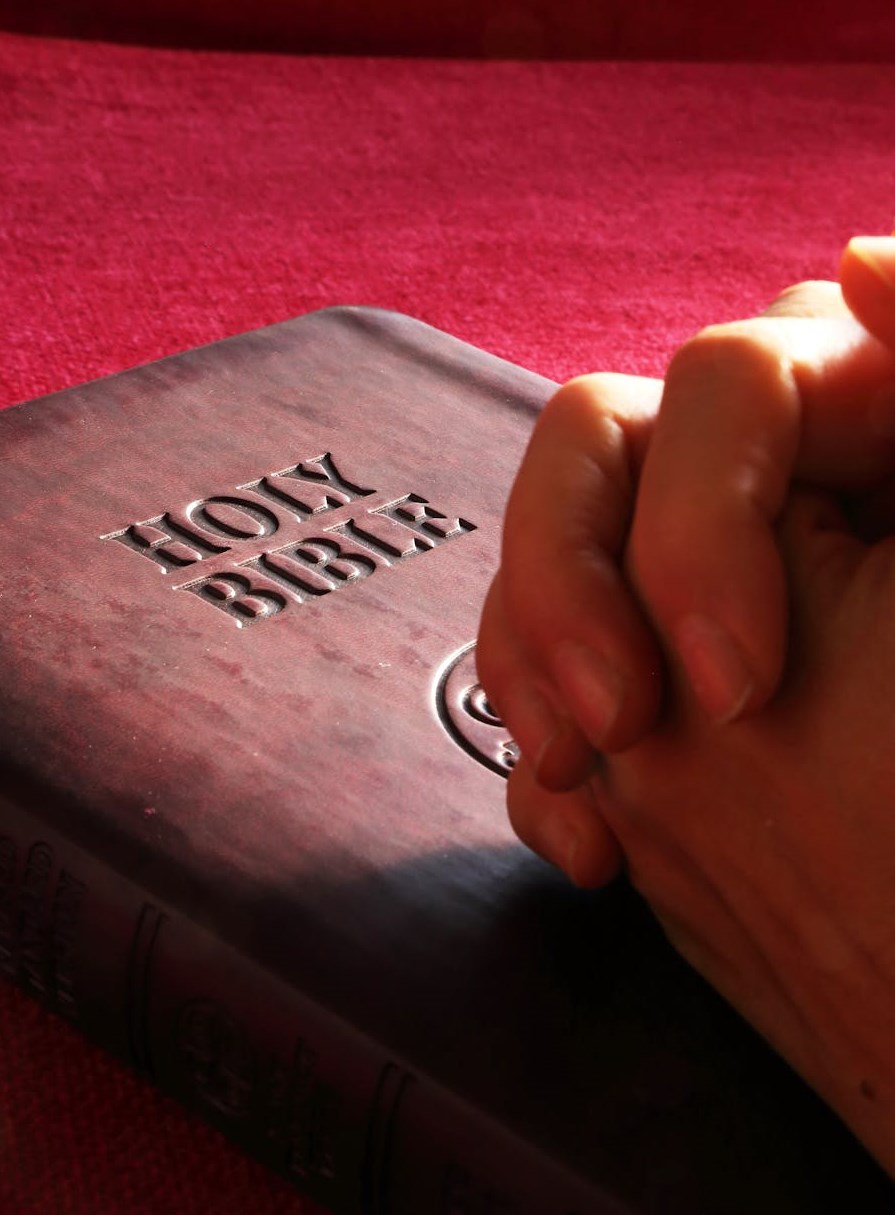
In 1 Timothy chapter 2, St. Paul explores why the church should be, not a ‘player’ but a ‘pray-er’ in politics. True, the church is not responsible for governing the country and the government is not responsible for the mission of the church. Yet the government does have a part to play in ensuring the freedom of Christians to practice our faith and profess the good news of Jesus before the world; and the Church has a responsibility to support those who govern with our prayer.
In his instructions about public worship (1 Timothy 2), St Paul urged Timothy that the church should exercise its priestly function by praying for its secular leaders, whether those leaders were Christian or not. We, too, should talk to our ‘Friend in high places’ (God) about our ‘friends in high places’ (our political leaders). We are to think not just about how they may serve us, but how we may serve them by our prayers.
Paul begins with the words, ‘I urge you’, meaning ‘I strongly encourage you’ or ‘I plead with you,’ that this praying be done ‘first of all’ – as a matter of urgency. He then addresses three questions:
- How should we pray? He emphasises the urgency of the task by using four different words for the kinds of prayers we offer: requests, prayers, intercessions, and thanksgiving (v.1).
- For whom should we pray? Paul urges that these ‘requests, prayers, intercessions and thanksgivings’ be made ‘for everyone’ (v.1). That is why our ‘Prayer of the Church’ in public worship is often introduced with words like: “Let us pray for the church, for the world and for all people according to their needs.”
St Paul especially encourages prayer ‘for kings and all in authority’ (v.2a). Of all people, our ‘friends in high places’ desperately need our prayer because they serve with authority that has been vested on them by God himself. - Why should we pray like this? St Paul says that the Christian church should be a key ‘pray-er’ in politics so ‘that we may live peaceful and quiet lives in all godliness and holiness’ (v. 2b). The structures of society and government provide stability, protection against crime, and help in all kinds of need. Furthermore, our ability to practice, profess and promote the one true faith depends upon laws and social structures that will freely allow us to do so.
Our prayer for the world supports God’s mission in the world. That is why St Paul continues, ‘This is good and pleases God our Saviour who wants all people to be saved and come to a knowledge of the truth. For there is one God and one mediator between God and human beings; the man Jesus Christ, who gave himself as a ransom for all’ (v.3-6a). That ‘Mediator… who gave himself as a ransom for all’ is also the reason for our confidence in prayer. In Jesus, we have just the person who can help us in our praying. We have a Friend in a Higher Place who can help us as we pray for our friends in high places.
So, as we think about how we may play a part in the stability of our society, the peace of our world, the wellbeing and freedom of all its citizens, and the welfare and mission of the church in the world, let us not forget to talk to our ‘Friend in high places’ (God) about our ‘friends in high places’ (our political leaders).